Behind the LLC: How to Identify the Real Owner of a Commercial Property
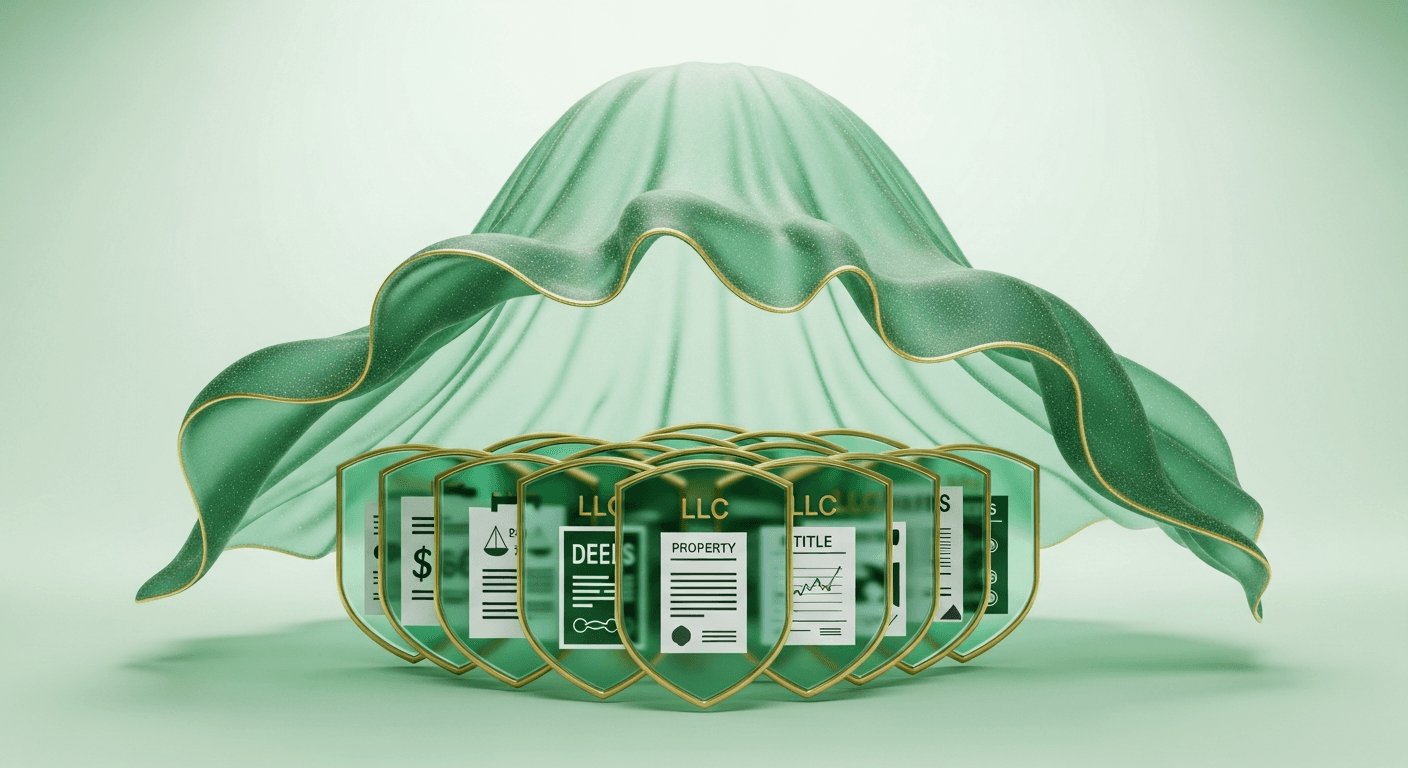
Why So Many Commercial Properties Are Owned by LLCs
If you have ever tried to sell a service to a commercial property owner, you have probably run into this wall: the building is not owned by a person. It is owned by something like "247 Main Street Holdings LLC" or "Oakwood Capital Partners III." Behind that entity is the actual decision-maker -- the person who approves vendor contracts, authorizes capital improvements, and signs the checks.
Property owners use LLCs for legitimate, well-established reasons:
- Liability protection: An LLC shields the owner's personal assets from lawsuits related to the property, such as slip-and-fall claims or environmental remediation costs.
- Tax advantages: LLCs offer pass-through taxation and flexible structuring for depreciation, 1031 exchanges, and estate planning.
- Privacy: In many states, the LLC's registered agent is the only name on public record, keeping the beneficial owner out of easily searchable databases.
- Portfolio segmentation: Investors who own multiple properties often create a separate LLC for each asset, isolating risk across the portfolio.
Understanding these motivations is the first step. The second step is knowing how to see through the corporate veil -- legally and ethically -- to find the person you actually need to reach.
Step-by-Step: Tracing Ownership Through Public Records
1. Start with the County Assessor or Recorder
Every commercial property has a deed on file with the county recorder's office. That deed lists the current owner of record, which is often the LLC name. Many counties now offer free online portals where you can search by address or parcel number. Note the exact LLC name and the date of the most recent transfer -- both are useful downstream.
2. Search the Secretary of State Database
Every LLC must be registered with the secretary of state in the jurisdiction where it was formed. Most states provide a free online search tool. Look up the LLC name and you will typically find:
- The registered agent (sometimes a law firm, sometimes the owner)
- The organizer or manager listed on the articles of organization
- The date of formation and current standing
- The principal office address -- which can sometimes lead directly to the owner
3. Check for Layered LLCs
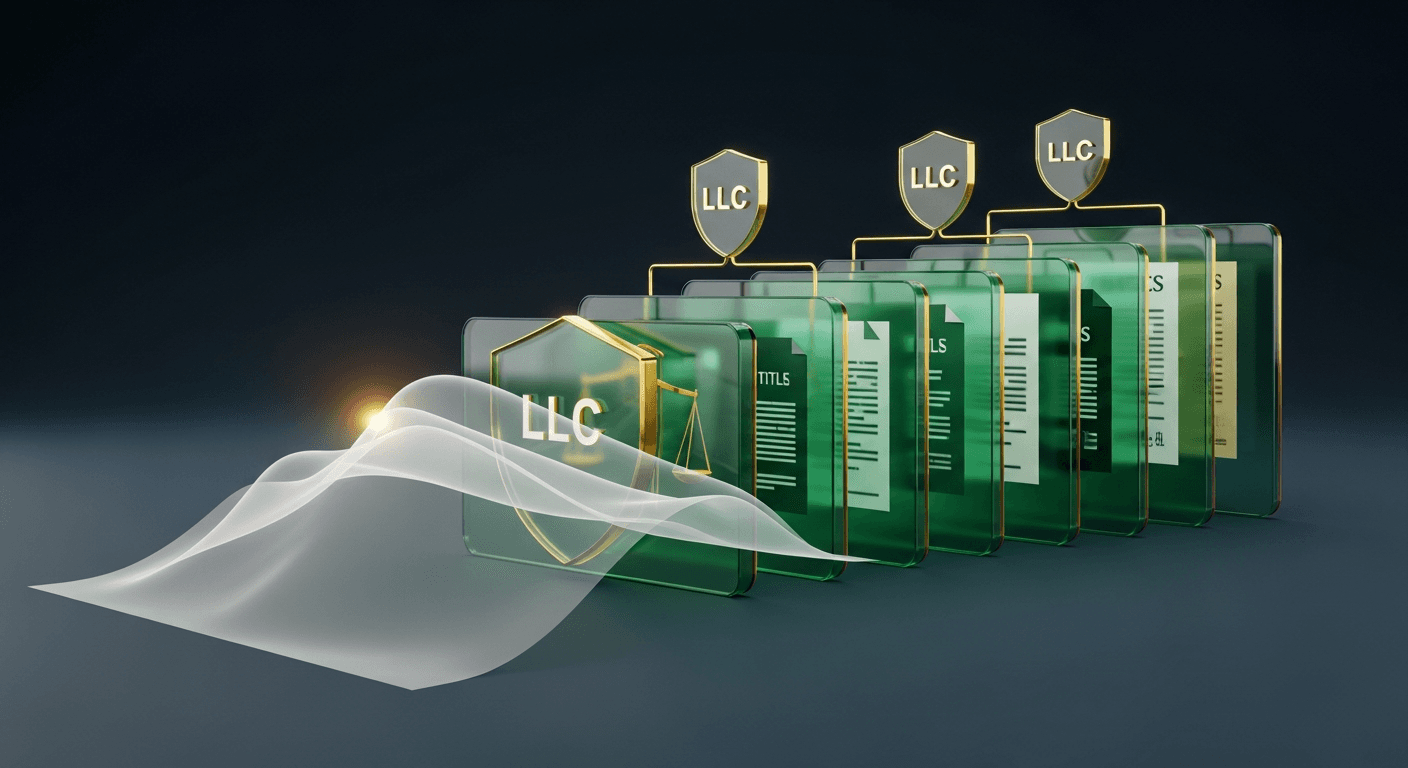
It is increasingly common for the member of one LLC to be another LLC. When you encounter this, repeat the secretary of state search for the parent entity. In some cases you may need to search across multiple states -- a property in Texas might be owned by a Delaware LLC managed by a Wyoming LLC. Persistence pays off here.
4. Cross-Reference with Other Public Sources
Once you have a name, cross-reference it against other public data sources:
- Property tax records: Tax bills sometimes go to a different address than the property itself, revealing the owner's actual office or home.
- Permit and code violation records: Building permits often list the property owner or their representative by name.
- Court records: Litigation involving the property or the LLC can surface the names of managing members.
- UCC filings: If the property secures a loan, the lender's UCC filing may list the borrower's principals.
5. Use Business Intelligence Databases
Commercial databases such as Dun and Bradstreet, state corporation commissions, and FOIA-accessible records can fill in the gaps. LinkedIn is also surprisingly effective once you have a name to search for.
How AI Accelerates Ownership Research
The manual process described above works, but it is painfully slow. A single property can take 30 to 60 minutes of research. Multiply that by the hundreds of properties in a sales territory and you have a full-time job that produces no revenue.
Modern AI-powered sales intelligence platforms like Greenfinch.ai collapse this process from hours to seconds by:
- Aggregating public records at scale: AI systems continuously ingest data from county assessors, secretary of state databases, tax records, and permit filings across all 50 states.
- Resolving entity chains: Natural language processing and entity resolution algorithms automatically trace the chain from property to LLC to parent LLC to individual owner, even across state lines.
- Enriching with contact data: Once the beneficial owner is identified, the platform appends verified phone numbers, email addresses, and LinkedIn profiles.
- Keeping data current: Ownership changes, LLC dissolutions, and new filings are detected automatically, so your prospecting data never goes stale.
The average commercial service sales rep spends 40% of their selling time on research. AI-powered ownership intelligence gives that time back and dramatically improves first-contact accuracy.
Practical Tips for Your Team
Whether you are using AI tools or doing manual research, keep these best practices in mind:
- Document your chain of title: Keep a record of each step in your ownership trace. It builds credibility when you contact the owner and can explain exactly how you found them.
- Verify before you reach out: A wrong name is worse than no name. Cross-check against at least two sources before making contact.
- Respect privacy laws: While property ownership is public record, how you use contact information may be subject to state and federal regulations. Stay compliant.
- Lead with value: When you do reach the real owner, acknowledge the effort it took to find them -- and immediately demonstrate why the conversation is worth their time.
Finding the person behind the LLC is one of the most important skills in commercial property sales. With the right approach -- and the right tools -- it does not have to be the hardest.